Building an emergency fund does not have to be complicated. Many savers start and maintain an emergency fund with relatively little effort by leaving extra money in checking or setting up automatic transfers to a savings account.
However, the easiest place to keep emergency savings is not always the best place for all of it. The challenge is balancing accessibility with earning potential so your money remains available when you need it while still having an opportunity to grow.
Keep Emergency Savings Separate From Everyday Money
Before choosing an account, consider the benefit of keeping your emergency fund separate from the account you use for everyday purchases and bills.
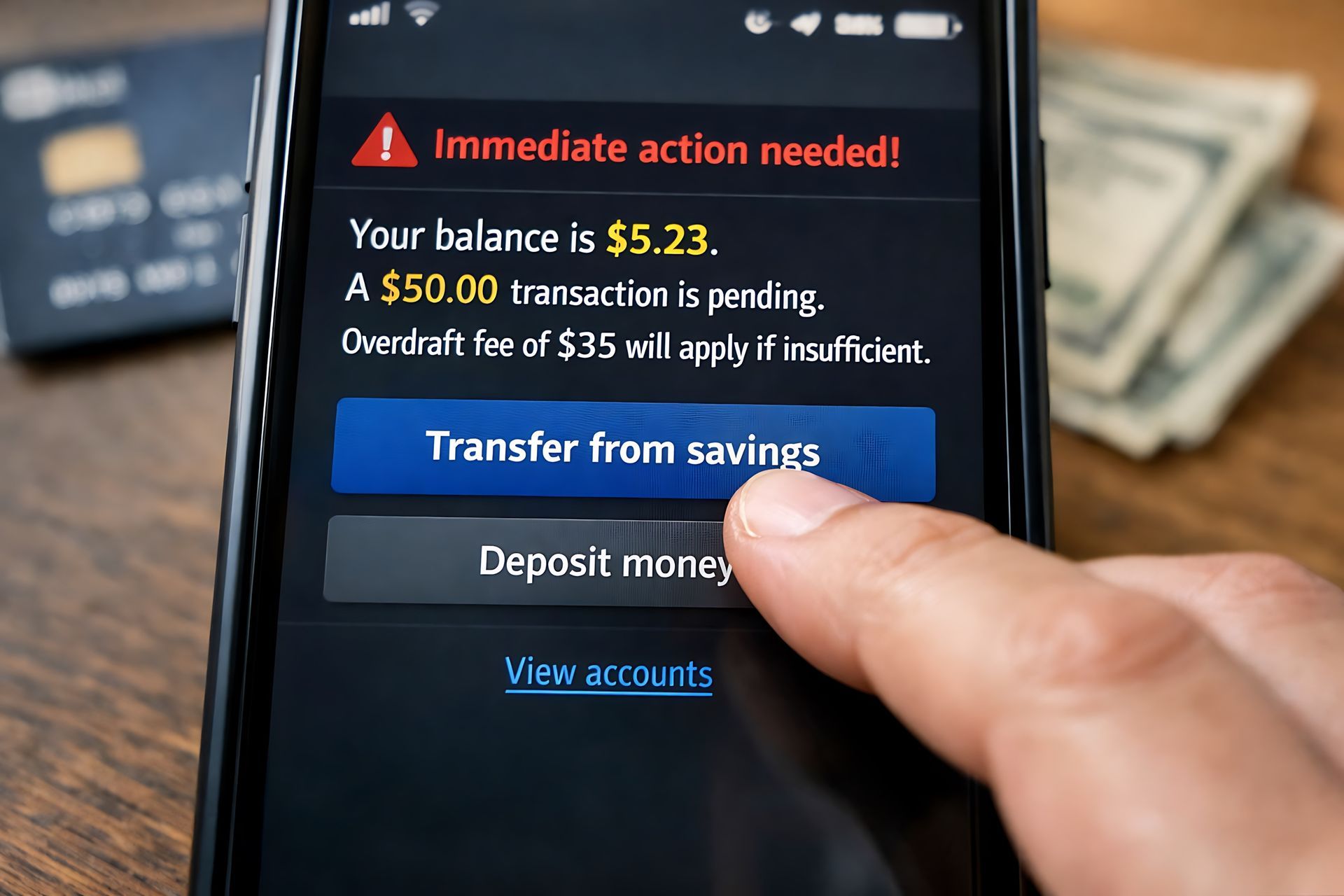
When emergency savings sits in your primary checking account, it can be tempting to treat the balance as available spending money. A separate account creates a little more distance between your emergency fund and your daily finances, making it easier to see how much you have actually set aside.
Savings Accounts
A traditional savings account with no monthly service fee and unlimited access can be a good choice for building an emergency fund because it combines accessibility with separation from everyday spending.
You can contribute to the account with automatic or manual transfers and access the money whenever you need it, making savings particularly useful for the portion of your emergency fund you may need on short notice.
If you are just getting started, consider setting up automatic transfers from your checking account to savings. Even smaller contributions can add up over time, and automation can make saving a consistent part of your budget.
Money Market Accounts
If your emergency fund has grown over time and is still sitting in a basic savings account, it may be worth considering whether part of that balance could earn more elsewhere.
A money market account can be a good fit for larger emergency savings because it keeps funds accessible while offering tiered rates based on your balance. At Singing River Federal Credit Union, higher balances can qualify for higher dividend rates, and members can manage the account through online and mobile banking.
SRFCU’s Money Market Account requires a $2,500 minimum opening deposit and has a $10 monthly service fee that can be avoided by maintaining a $2,500 minimum balance.
For savers who have already built a substantial emergency fund, that can make it a practical place to keep money that needs to remain available without leaving the entire balance in a basic savings account.
CDs
Share certificates, often referred to as certificates of deposit or CDs, work differently from savings and money market accounts. You generally agree to leave your money deposited for a specific term in exchange for a guaranteed rate of return that is typically higher than a standard savings account.
A CD is usually not the right place for a saver’s entire emergency fund because accessing the money before the term ends can result in an early withdrawal penalty.
However, if you already have enough readily accessible savings to cover several months of expenses, a CD may provide an opportunity to earn a higher return on money you are less likely to need in the near term.
What About High-Interest Checking?
A high-interest checking account, like Singing River’s Market Interest Checking, can be useful for savers who want emergency funds to remain immediately accessible while still earning dividends.
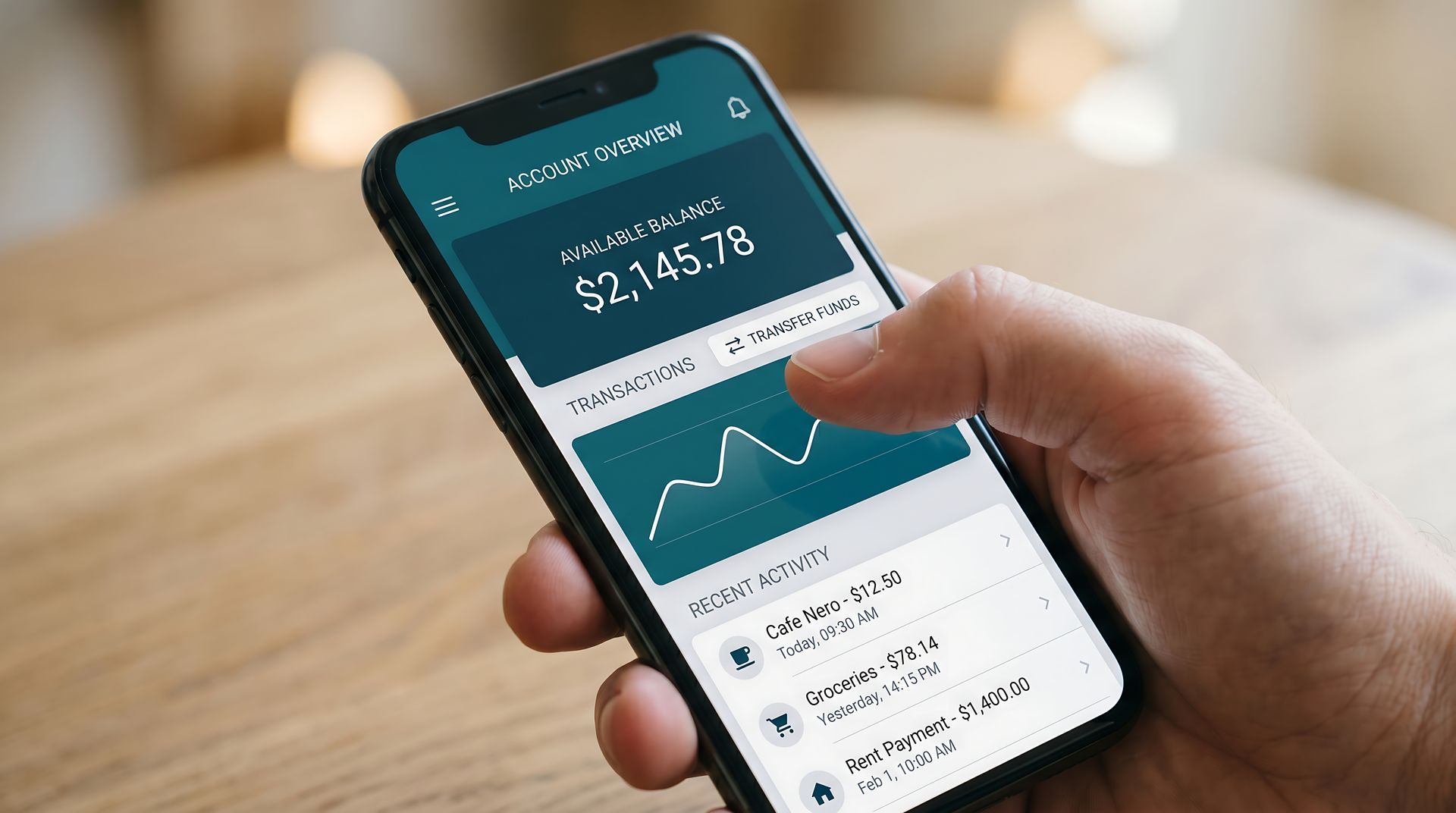
Unlike money kept in a separate savings account, funds in checking can be used directly for purchases, ATM withdrawals, checks, or other transactions without first transferring money between accounts. That extra convenience may be useful when an unexpected expense needs to be paid quickly.
The tradeoff is that Market Interest Checking has an $8 monthly service fee unless you maintain a $1,000 minimum average daily balance. For someone using the account to hold emergency savings, keeping the balance above that threshold is important if the goal is to earn dividends without adding a monthly fee.
Helping South Mississippi and Alabama Savers Build Emergency Funds
There is no single account that is right for every emergency fund. Think about your priorities: How quickly might you need the money? How much do you want it to earn? And would keeping it separate help you avoid spending it unnecessarily?
Singing River Federal Credit Union offers savings, checking, money market, and certificate options that can help savers balance accessibility and earning potential. Call 228-475-9531 or visit a branch near you to learn more.