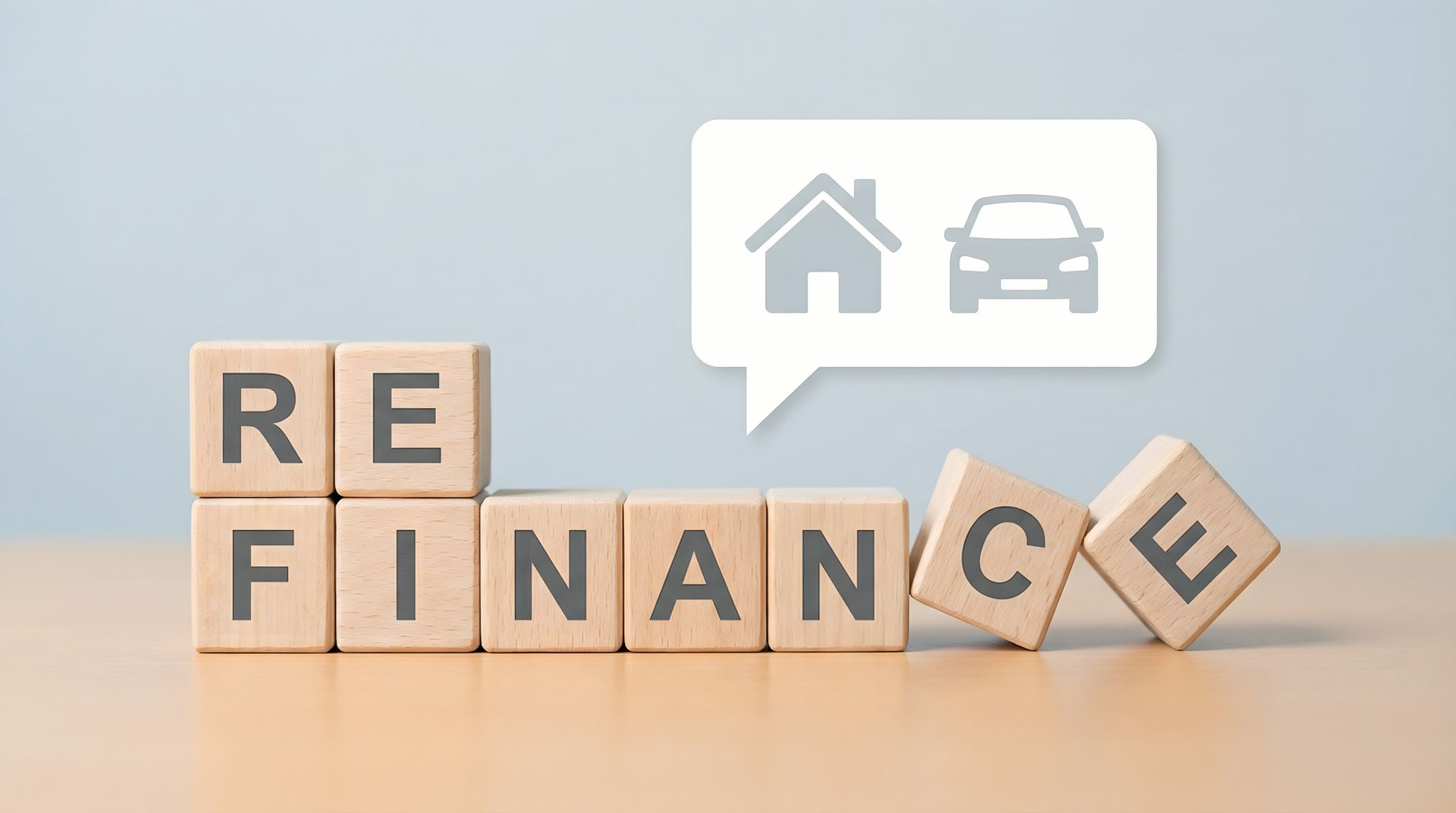
The terms you agree to when taking out a loan do not necessarily have to remain the same until it is paid off. Refinancing replaces an existing loan with a new one, which may give you an opportunity to change the interest rate, monthly payment, repayment timeline, or other loan terms.
However, refinancing is not automatically beneficial just because a new loan looks better in one area. The more useful question is whether the new loan improves your overall financial position after considering the remaining balance, repayment period, fees, and other costs.
What Has Changed Since You Took Out the Loan?
A good place to start is by asking what is different now compared with when you originally borrowed the money. If your credit score has improved, you may now qualify for a lower rate or more favorable loan terms.
Before refinancing, compare the potential savings from a lower rate or different loan terms with any fees or costs associated with the new loan. Also consider how long you expect to keep the loan or the asset. If you plan to sell your home or trade in your vehicle before the savings outweigh the cost of refinancing, a new loan may not make financial sense.
How Much of the Loan Do You Still Have Left?
The amount you still owe can make a significant difference in whether refinancing is worthwhile.
If a loan is nearly paid off, there may be less opportunity to save because less interest remains to be paid. A borrower with a larger remaining balance and several years of payments ahead may have more room to benefit from improved terms.
For an auto loan, that means looking beyond the advertised rate and considering how much principal remains, how many payments are left, and what the refinanced loan would cost over its full term.
Are You Saving Money or Just Lowering the Payment?
A lower monthly payment can make a loan easier to fit into your current budget, but it does not necessarily mean the loan will cost less overall.
Extending the repayment period usually reduces the amount due each month, but it can increase the total interest paid because the loan remains outstanding longer. On the other hand, refinancing into a shorter term may increase the monthly payment while helping you pay off the loan sooner and potentially reduce the total interest cost.
What Will It Cost to Refinance?
Refinancing expenses vary by loan type. Mortgage refinancing, for example, may involve closing-related costs.
One useful way to evaluate a refinance is to compare those upfront costs with the amount you expect to save. If the savings are relatively small, it may take a long time for the refinance to become financially worthwhile.
For example, a homeowner who expects to keep the mortgage for many years may have more time for monthly savings to outweigh the cost of refinancing. The math may not make sense for a homeowner who plans to move within the next two or three years.
Singing River Federal Credit Union can help members compare refinancing costs with the potential savings and consider whether a new loan makes sense based on how long they expect to keep the home.
Explore Refinancing Options With Singing River Federal Credit Union
Singing River Federal Credit Union offers refinancing options for both auto loans and home loans, with local decision-making and terms tailored to different borrower situations.
If you are considering replacing an existing loan, call 228-475-9531 to learn more about available refinancing options.